
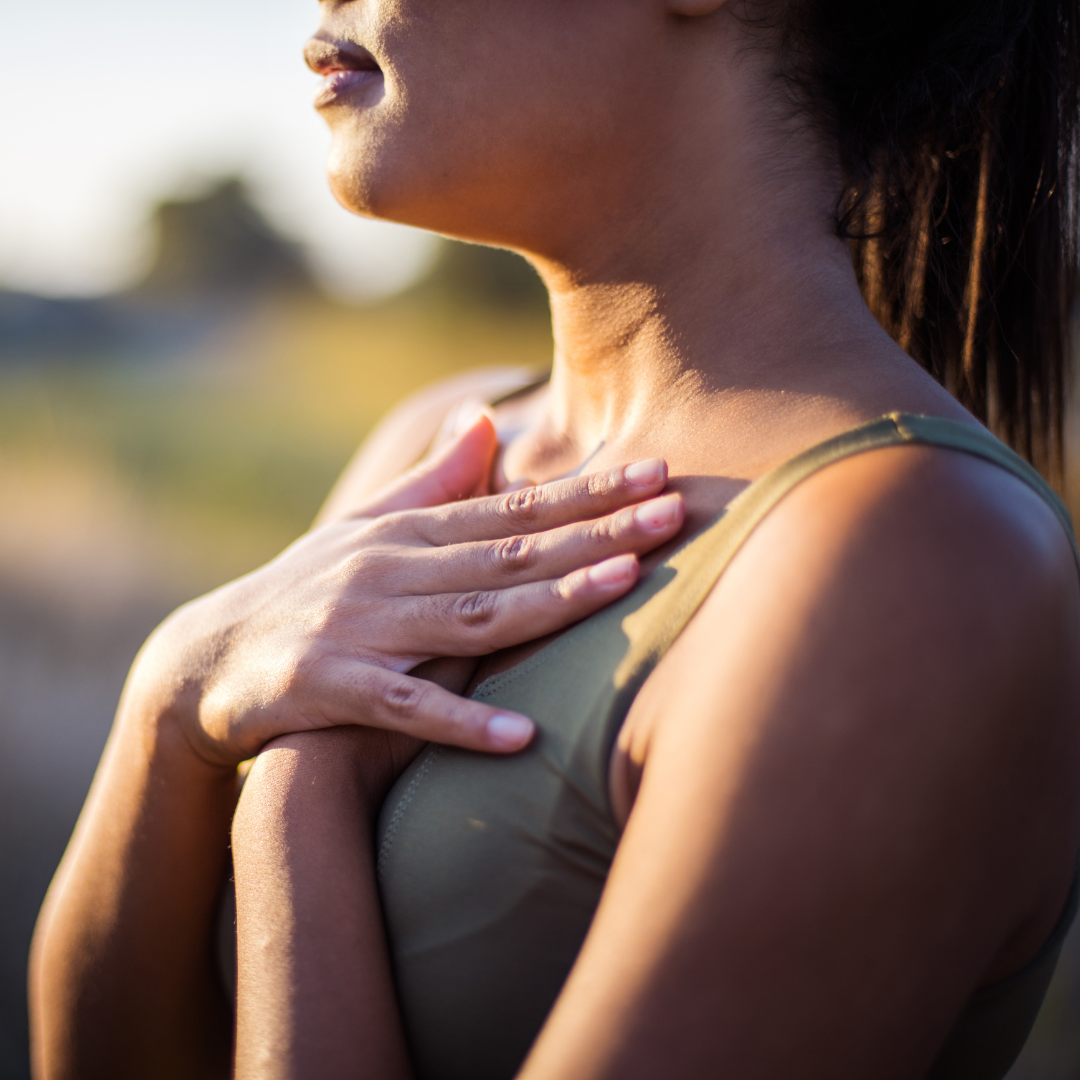
Breathing is one of the most natural and essential functions of life, yet we often take it for granted. In moments of stress, anxiety, or emotional distress, our breath can become shallow, rapid, or irregular—impacting both our physical and mental well-being. The good news is that by learning to regulate our breath, we can create a sense of calm, improve emotional balance, and support overall health.
There is a direct connection between breath and well-being. Whether you’re looking for ways to manage anxiety, improve focus, or deepen self-awareness, developing a regular breathing practice can be a valuable tool on your journey.
Developing a breathing practice is a simple but powerful tool that can improve mental clarity, reduce stress, enhance physical health, and help both children and adults regulate emotions effectively. Breathing techniques have been widely studied for their impact on physical and mental health. Here are some key statistics and research findings on the benefits of controlled breathing:
Slow breathing activates the parasympathetic nervous system, reducing stress and promoting relaxation. Studies show that deep breathing can lower cortisol levels (the stress hormone) by up to 20% (Jerath et al., 2015).
A study in Frontiers in Psychology (2017) found that practicing deep breathing for just 10 minutes a day significantly reduced symptoms of anxiety and depression.
A 2023 study in JAMA Psychiatry found that paced breathing exercises were just as effective as mindfulness meditation in reducing anxiety.
Research from Harvard Medical School shows that deep breathing increases oxygen supply to the brain, improving focus and cognitive performance.
Research in Mindfulness (2019) found that children who practice mindful breathing show a 24% improvement in emotional regulation and are better able to manage frustration.
A study in Psychophysiology (2021) found that children who used breathing exercises before tests had reduced test anxiety and improved performance compared to those who didn’t.
We often face daily challenges that can trigger anxiety, frustration, or overwhelm. Practicing intentional breathing can help us regain a sense of control and calm.
Here are some key moments to use breathing techniques:
During Stressful Situations – When dealing with work pressure, parenting challenges, or unexpected events, deep breathing can help lower stress hormones and restore clarity.
To Manage Anxiety or Overwhelm – If feelings of anxiety start to rise, focusing on slow, controlled breathing can activate the body’s relaxation response.
Before Responding to Conflict – Taking a few deep breaths before reacting in a tense conversation can help you respond more calmly and thoughtfully.
To Improve Focus and Productivity – Short breathing exercises can refocus the mind, reduce distractions, and enhance concentration, especially before important tasks.
When Feeling Physically Tense or Tired – Conscious breathing can release muscle tension, improve oxygen flow, and increase energy levels when feeling fatigued.
Before Sleep or Relaxation – Practicing slow, rhythmic breathing before bed can help quiet the mind, making it easier to fall asleep and improve sleep quality.
To Set a Positive Example for Kids – Modeling breathing exercises when managing emotions teaches children how to self-regulate and use these techniques effectively.
The following simple, yet effective breathing techniques will enhance relaxation, reduce stress, and cultivate mindfulness.
How to Do It: Place one hand on your chest and the other on your belly. Inhale deeply through your nose, allowing your belly to expand while keeping your chest still. Exhale slowly through your mouth.
Benefits: Reduces stress, lowers heart rate, and improves oxygen exchange.
How to Do It: Inhale for 4 seconds, hold for 4 seconds, exhale for 4 seconds, and hold for 4 seconds. Repeat the cycle.
Benefits: Helps with focus, calms the nervous system, and reduces anxiety.
How to Do It: Inhale through the nose for 4 seconds, hold for 7 seconds, and exhale slowly through the mouth for 8 seconds.
Benefits: Promotes relaxation, helps with sleep, and reduces stress.
How to Do It: Use your thumb to close one nostril, inhale through the open nostril, then switch and exhale through the other. Repeat in a slow, controlled rhythm.
Benefits: Balances energy, enhances focus, and calms the mind.
How to Do It: Inhale for 5 seconds, hold for 5 seconds, and exhale for 5 seconds.
Benefits: Reduces stress, improves breathing control, and promotes relaxation.

How to Do It: Put your hands on your belly. Breathe in through your nose and make your belly big like a balloon. Breathe out through your mouth and let the balloon shrink.
Fun Tip: Imagine your favorite color balloon inflating and deflating.
Helps With: Feeling calm and slowing down big emotions.
How to Do It: Imagine drawing a square in the air.
1. Breathe in for 4 seconds (draw one side).
2. Hold your breath for 4 seconds (draw the next side).
3. Breathe out for 4 seconds (draw the third side).
4. Hold your breath for 4 seconds (complete the square).
Fun Tip: Trace a square in the air or on your leg with your finger.
Helps With: Focusing and feeling in control.
How to Do It:
1. Pretend to smell a flower – breathe in through your nose for 4 seconds.
2. Hold your breath while you count to 7.
3. Blow out a candle – breathe out through your mouth for 8 seconds.
Fun Tip: Pretend you’re holding a real flower and a birthday candle.
Helps With: Relaxing, calming down, and sleeping better.
How to Do It: Take a big breath in through your nose, then open your mouth wide, stick out your tongue, and exhale loudly like a dragon breathing fire!
Fun Tip: Pretend you’re a big, powerful dragon.
Helps With: Letting out frustration or extra energy.
How to Do It: Close your eyes, breathe in deeply through your nose, then hum like a buzzing bee as you breathe out.
Fun Tip: Cup your hands over your ears to hear the buzz even more!
Helps With: Feeling peaceful and focused.
By incorporating simple breathing techniques into daily life, we can all experience greater emotional balance, resilience, and overall well-being.
Belly Breathing Video:
https://www.youtube.com/watch?v=7Ep5mKuRmAA
Box Breathing Video:
https://www.youtube.com/watch?v=tEmt1Znux58
Breathing Apps:
https://apps.apple.com/us/app/the-breathing-app/id (great place to start)
https://www.othership.us/app (more advanced)
Book Recommendation:
If you have a fitness tracking device, often they have a breathing feature that may be a helpful starting place to develop a breathing practice.
